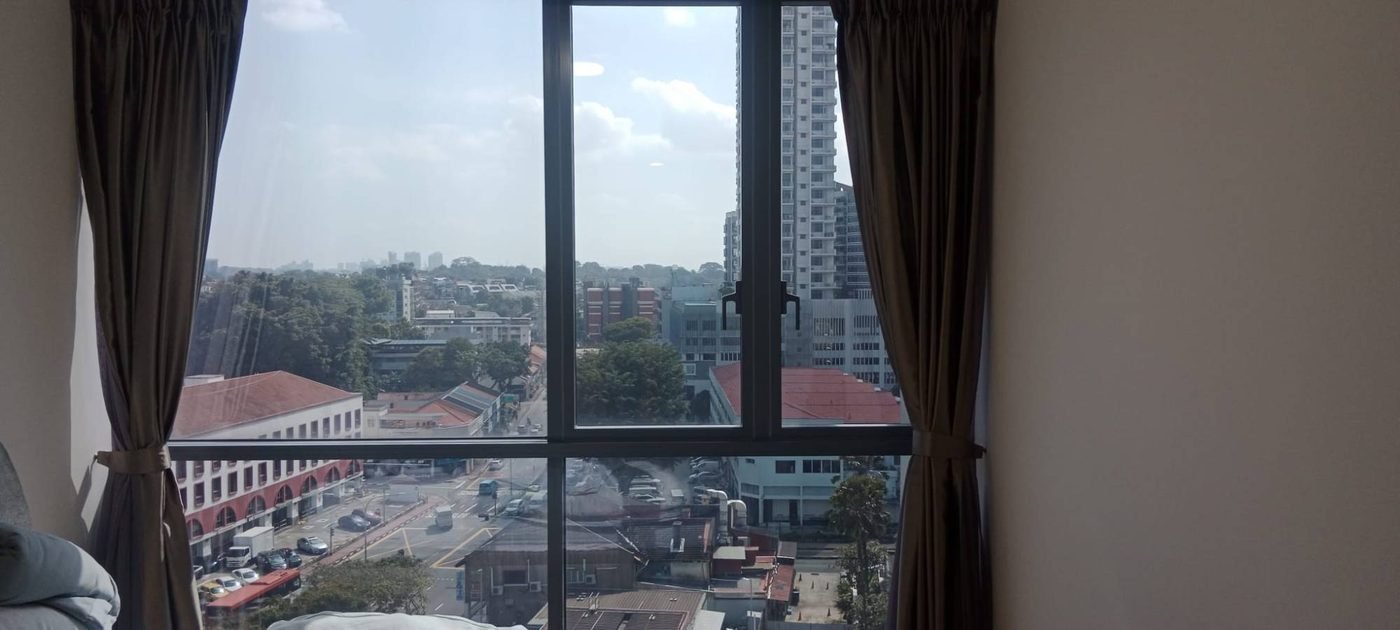
What makes CF9050 worth considering for your home?
You want the room to feel more comfortable. You also like having daylight, seeing outside and keeping the curtains open when possible.
That is where CF9050 fits into the Sunolite range. It is called Balanced Comfort Film because it sits between the lighter CF9070 and the darker CF9035 and CF9020 options. Its purpose is to give customers another choice when maximum shading would be more than the room needs.
For someone watching their budget, this matters. A good purchase should suit the room throughout the day, including the quieter morning hours and cloudy afternoons when you still want natural light.
What are the published CF9050 specifications?
The following figures appear in Sunolite's current CF9050 product information.
| Specification | Published value | What it helps you understand |
|---|---|---|
| Visible light transmission (VLT) | 51% | How much visible light passes through under the measurement conditions |
| Visible light tolerance | 51 ± 4% | The stated tolerance around the nominal VLT |
| Total solar energy rejection (TSER) | 64% | Overall solar energy rejection under the measurement conditions |
| Ultraviolet rejection | 99% | The stated UV filtering performance |
| Infrared rejection (IRR) | 99% | Infrared performance, which is separate from total solar heat rejection |
These are Sunolite's published values, rather than independently verified results from this review. The reference glass, test method and wavelength ranges should be confirmed when comparing specifications. The published TSER and SHGC also need reconciliation before they are presented as a consistent tested specification.
Does 51% VLT mean the room will feel half as bright?
Not necessarily. VLT describes transmitted visible light under measurement conditions. It does not directly predict the brightness of an entire room or how bright that room will feel to you.
Window size, existing glass, wall colours, outside shade and light from other windows all influence the result.
However, 51% VLT does mean there is a tint. CF9050 should not be described as leaving daylight completely unchanged. The useful question is whether the finished room feels pleasantly shaded while remaining bright enough for everyday use.
Does 99% infrared rejection mean 99% heat rejection?
No. Infrared is only part of the solar energy reaching a window. An infrared rejection figure also depends on the wavelengths and measurement method used. It should not be treated as the percentage of all solar heat blocked.
For CF9050, Sunolite separately publishes a TSER figure of 64%. Neither figure means the room will become 64% cooler or that your electricity bill will fall by that amount.
Who is CF9050 most suitable for?
CF9050 is worth comparing when you want solar control but are hesitant about a darker window appearance. Typical situations include:
- A living room where you enjoy daylight but find the sunshine uncomfortable.
- A bedroom that needs some shading without losing too much daytime brightness.
- A study where window brightness affects screen comfort.
- A home where different rooms receive different amounts of sun.
These are starting points for selection. A room with severe direct glare may need stronger shading, while a naturally dim room may benefit from a lighter option.
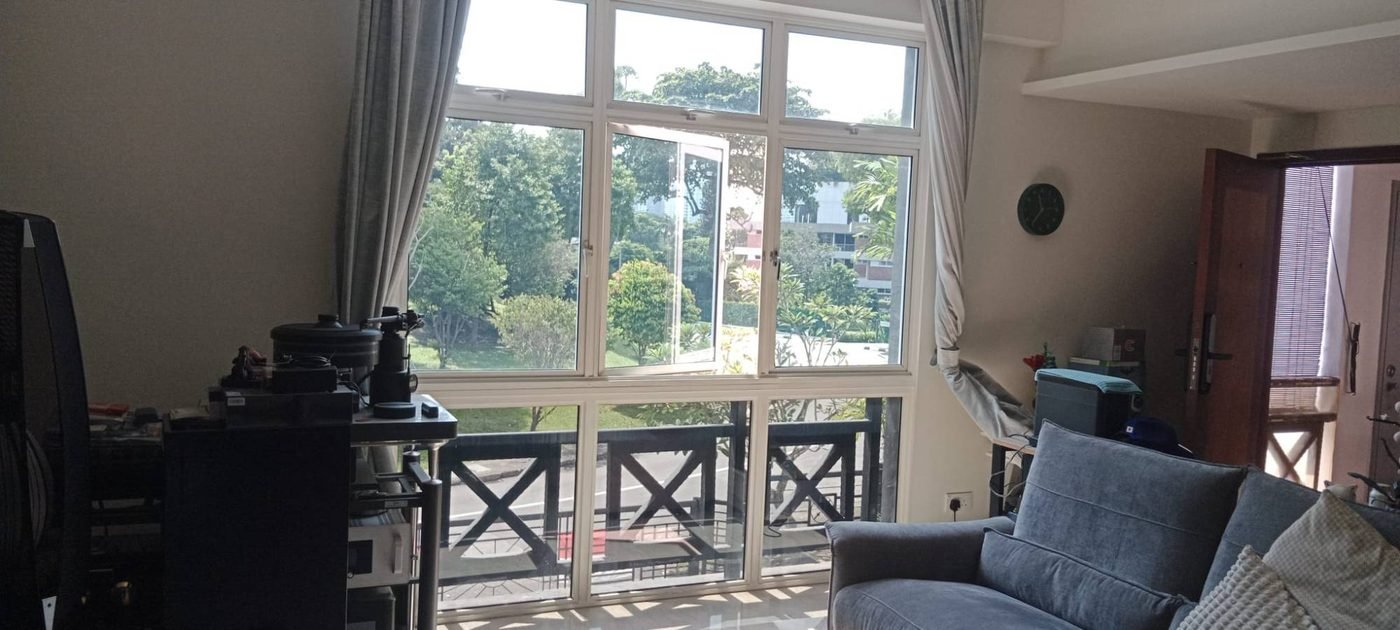
Is CF9050 suitable for strong afternoon sun?
It can be considered, but afternoon sun alone does not settle the choice.
A small window shaded by a balcony behaves differently from a large, exposed glass wall. The amount of glass, surrounding shade and where you sit all matter.
If you regularly close heavy curtains because the sunlight is overwhelming, compare CF9050 with a darker sample. If your main concern is moderate heat while keeping a lighter view, CF9050 may be the more comfortable balance.
How does CF9050 compare with the other Sunolite shades?
The clearest difference to start with is visible light transmission.
| Model | Published VLT | Where to begin your comparison |
|---|---|---|
| CF9070 | 68% | When keeping more daylight is the main priority |
| CF9050 | 51% | When you want a balance of daylight and shading |
| CF9035 | 31% | When stronger brightness reduction is welcome |
| CF9020 | 20% | When a darker tint is acceptable for more exposed areas |
These values describe the published shade progression. The final appearance also depends on the existing glass.
Why choose CF9050 instead of CF9020?
Choose CF9050 for its lighter balance when retaining daylight matters to you.
CF9020 has a substantially lower published VLT, so it is the darker option. That can be welcome in a very bright room but less suitable in a room that already feels shaded.
A higher heat rejection figure does not automatically make a film better value for every customer. You still need to enjoy the room after installation.
Should every room have the same film?
Not always. Your living room may receive direct afternoon sun while a bedroom faces a shaded courtyard. Those rooms may benefit from different choices.
Assess them individually, then consider whether a consistent exterior appearance is required. Where building management controls window appearance, check the proposed selection before installation.
Can CF9050 make working and reading more comfortable?
It can help reduce excessive window brightness by reducing the visible light passing through the treated glass. That may be useful when a bright window competes with your computer screen or sunlight falls across a reading area.
But glare also depends on direction and reflections. A screen facing a window may still show reflections after film is installed. Repositioning the screen or using a blind during direct sun can help.
The appropriate benefit is improved visual comfort. Window film should not be presented as a treatment for tired eyes or a guarantee of eyesight protection. Eye care guidance treats glare control as one part of managing screen-related discomfort.
Does CF9050 provide daytime privacy with the curtains open?
It may reduce visibility into the room in favourable lighting, but CF9050 should not be chosen on the assumption that it provides reliable daytime privacy.
Privacy through tinted glass depends on the brightness difference between outside and inside, as well as viewing distance and angle. Its lighter tint also means you should not transfer expectations from CF9020 directly to CF9050.
If privacy matters, check a sample from the actual viewing position outside. A nearby corridor or neighbouring balcony deserves particular attention.
At night, indoor lights can make the room visible from outside. Keep curtains or blinds wherever dependable privacy is needed.
What does its UV protection mean for everyday living?
Sunolite publishes 99% UV rejection for CF9050. The practical purpose is to reduce UV passing through the treated glass.
This can be relevant if you spend long periods near a window. UVA can pass through window glass and contributes to premature skin ageing, although transmission varies with the glazing.
UV filtering should not be described as guaranteed prevention of pigmentation or skin ageing. Visible light can also worsen melasma in some people, so a UV figure alone does not establish complete protection against pigmentation triggers.
For furniture and flooring, reducing UV addresses one contributor to fading. Sensitive materials may still need additional shading because visible light and other environmental factors also matter.
How can you tell whether CF9050 is good value?
Start with the room you want to improve.
If CF9050 gives you a shade you enjoy, suits the glass and comes with a clear installation scope, it may be a sensible choice. If you need much stronger glare control, choosing a lighter film simply because it sounds more versatile may leave the original problem unresolved.
Three checks make the decision easier:
- Check the sample: Do you like the daylight and view through your actual glass?
- Check the scope: Does the quotation cover the preparation, installation and any necessary removal work?
- Check the support: What does the written warranty cover, and who handles a claim?
For the wider discussion of installation costs, see Sunolite's cost-effective window film guide.
Should you compare only the price per square foot?
Compare the completed job as well. Two quotations can use the same rate but include different work. Existing film removal, restricted access or additional preparation can affect the total.
Use the Sunolite window calculator for an initial estimate, then confirm the measured area and any additional work before booking.
This keeps the CF9050 decision straightforward: choose the suitable shade first, then check the full cost of having it installed properly.
How should you check a CF9050 sample?
A sample is most useful when you view it in the room where the film will be installed.
What should you look for during the day?
Look through it from your usual seat or desk. Check whether outside details remain comfortable to see and whether the reduction in brightness feels right.
Try to assess it at the time the room normally becomes uncomfortable. If possible, also look during a duller part of the day. A shade that feels ideal in strong sunshine may feel different under heavy cloud.
What should you check after dark?
Look at the outward view with your usual indoor lights switched on. Check reflections and whether the tint suits the way you use the room in the evening. If privacy matters, assess visibility from outside too.
Photographs can help you remember the appearance, but automatic camera exposure can disguise differences in brightness. Make the final choice with your eyes.
What should be confirmed before installation?
Ask the installer to check your existing glass and confirm that CF9050 is suitable for the proposed application.
Mention any existing film, glass coatings or known glazing details. Tinted, laminated, coated and double-glazed windows should not be treated as interchangeable. Also confirm:
- The exact film model on the quotation.
- Any preparation or old film removal required.
- The applicable warranty and its exclusions.
- Curing and cleaning instructions.
- Any building appearance requirements.
Sunolite already has a separate window reflectivity and building requirements guide for readers who need more detail.
Is CF9050 a sensible choice for equatorial living?
It can be, particularly when you want everyday solar control while keeping a lighter room.
Singapore's warm climate makes comfort near windows relevant throughout the year. However, cloud cover, surrounding shade and room orientation mean that stronger tint is not always the most comfortable choice, per the Meteorological Service Singapore.
CF9050 gives you a middle option to consider: more shading than the lightest Sunolite film, with more visible light transmission than the darker choices.
The decision becomes easier when you judge it against your own room rather than a headline percentage.
You should be able to see what you are choosing, understand the full price and feel comfortable with the result.
Sunolite CF9050. A comfortable balance of sunlight, shade and everyday value.